
How Drum Practice Takes Shape
Steady Timing Before Speed
DrumPulse Course approaches the drum kit through manageable rhythmic tasks rather than fast playing. A basic groove becomes easier to understand when the hi-hat, snare, and bass drum are first treated as separate parts with clear places inside the beat.
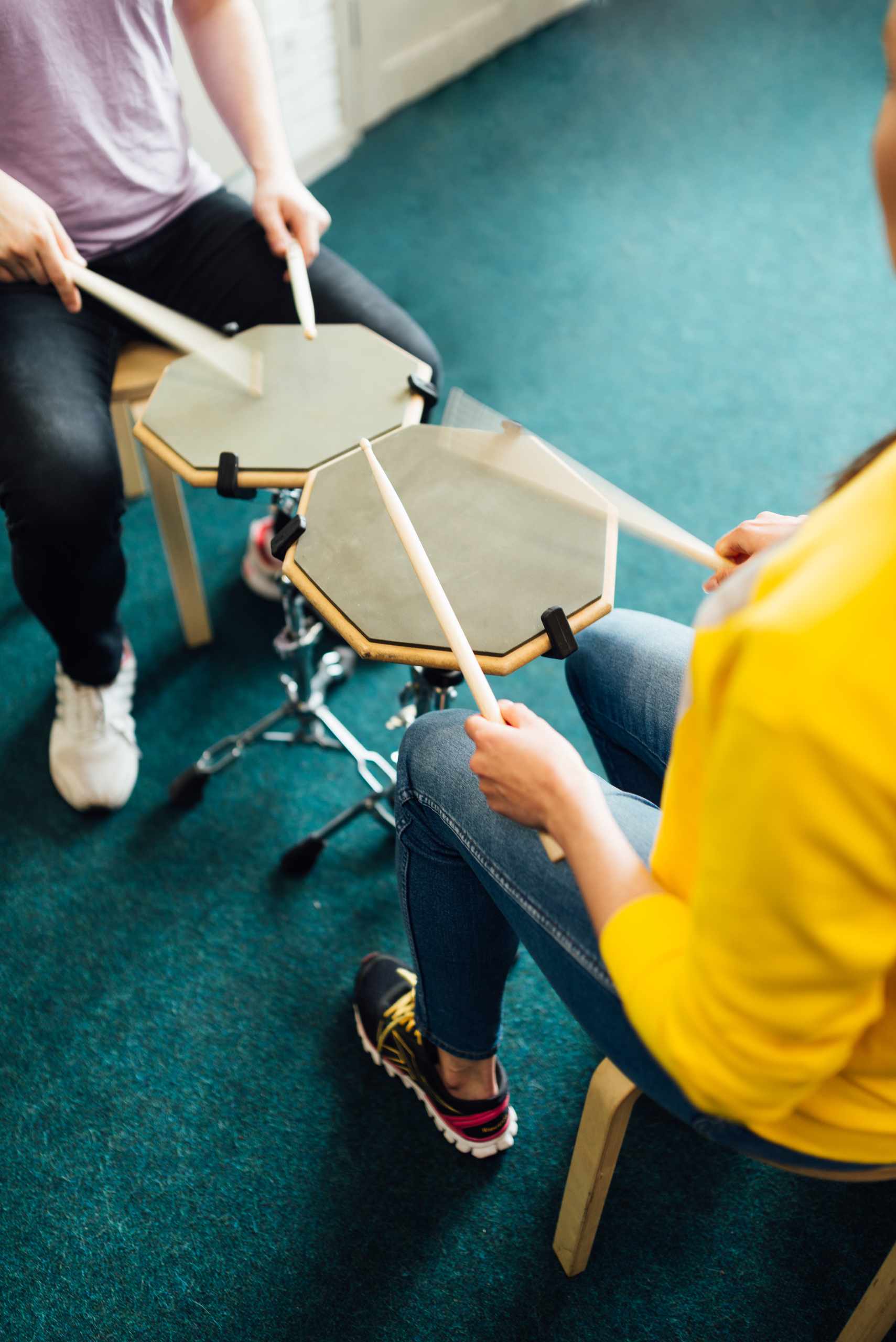
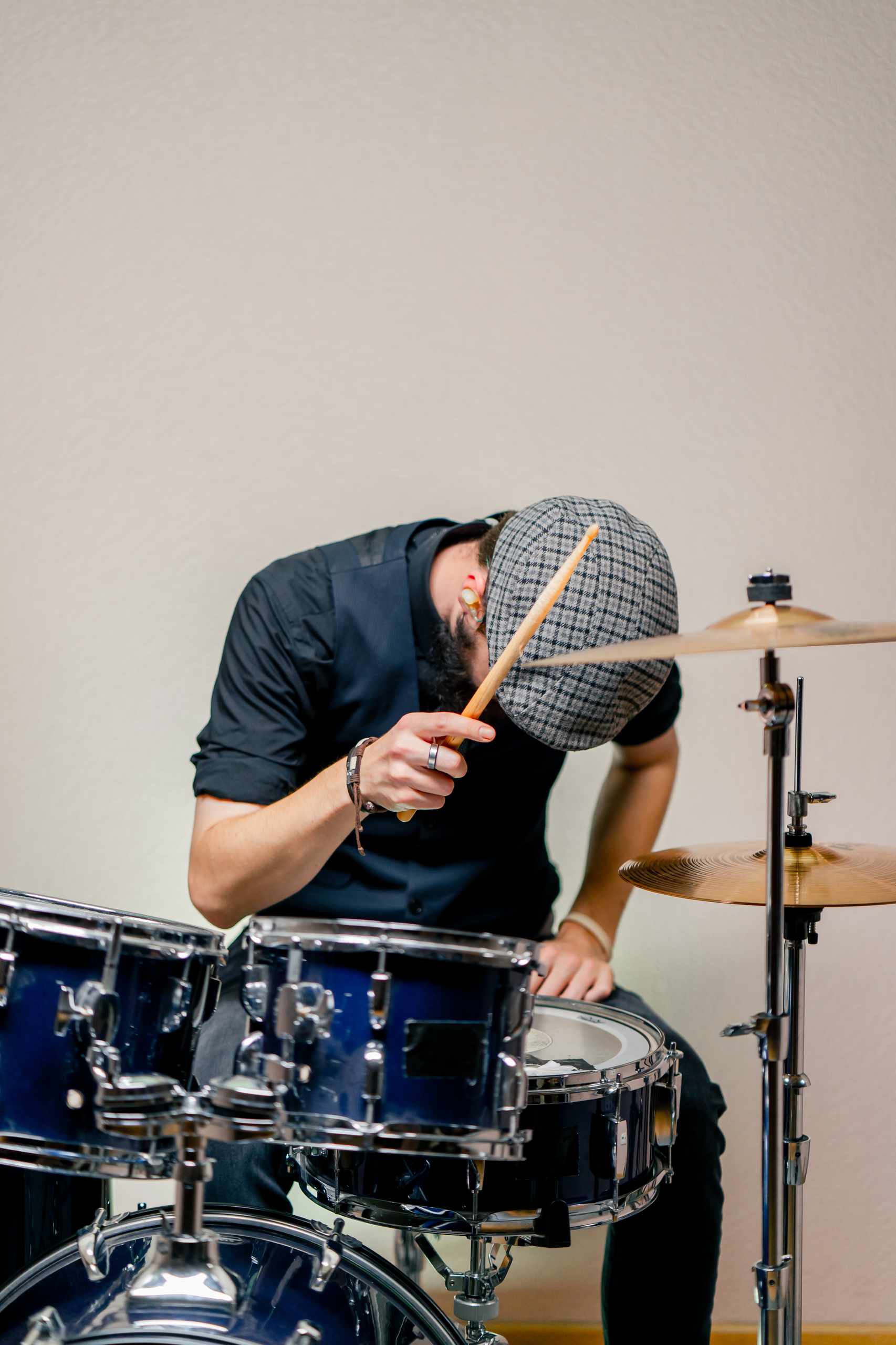
Practice centers on counting, repetition, and comfortable tempos. A metronome can help reveal rushing or dragging, while short loops make it easier to hear whether the backbeat, kick notes, and hi-hat strokes are staying evenly placed.
The aim is not to force all four limbs to cooperate at once. Difficult patterns can be reduced to one or two movements, stabilized, and then rebuilt. The same approach applies to fills, stick control, pedal timing, and returning clearly to beat one.
THE PRACTICE APPROACH
Four Principles Behind The Course
Relax The Grip
Drumsticks need control without unnecessary squeezing. Relaxed wrists and usable rebound help strokes stay more even and make volume easier to manage.
Separate The Limbs
When coordination breaks down, the pattern is reduced to smaller hand-and-foot combinations before the missing limb is added back into the groove.
Protect The Pulse
A steady beat matters more than playing quickly. Comfortable tempos, counting, and metronome work keep timing visible while a groove is being built.
Listen After Playing
Short recordings can expose uneven hi-hat strokes, misplaced kick notes, or fills that speed up. Listening back turns small timing problems into practical practice targets.